




Chiropractic treatment for concussion injury naturally complements traditional care by focusing on spine-brain connection. Techniques like spinal adjustments and soft-tissue therapy improve nerve function, reduce misalignments, and alleviate symptoms like headaches and dizziness. Research shows chiropractic adjustments accelerate symptom resolution, enhance cognitive performance, and promote brain repair. Integrated holistic approaches including lifestyle modifications support overall well-being during recovery. This patient-centered care improves outcomes for individuals with mild traumatic brain injuries (MTBI).
Mild traumatic brain injuries (mTBI), commonly known as concussions, are a growing concern globally, impacting individuals from all walks of life. These injuries often go undiagnosed or undertreated, leading to long-term cognitive and physical repercussions. Conventional medicine offers limited options for recovery, prompting many to seek alternative approaches. Chiropractor support emerges as a promising solution, focusing on natural healing methods for concussion injuries. This article delves into the role of chiropractic treatment in managing mTBI, exploring its potential benefits, mechanisms, and clinical applications. By understanding these aspects, healthcare professionals can offer comprehensive care tailored to the unique needs of patients with concussions.
- Understanding Mild Traumatic Brain Injury (MTBI) & Chiropractic Care
- Chiropractic Treatment for Concussion Injury: Natural Approaches
- Evidence & Tips for Effective Chiropractic Management of MTBI
Understanding Mild Traumatic Brain Injury (MTBI) & Chiropractic Care
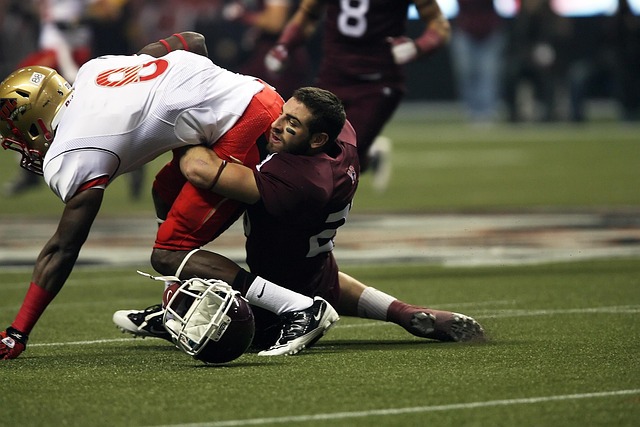
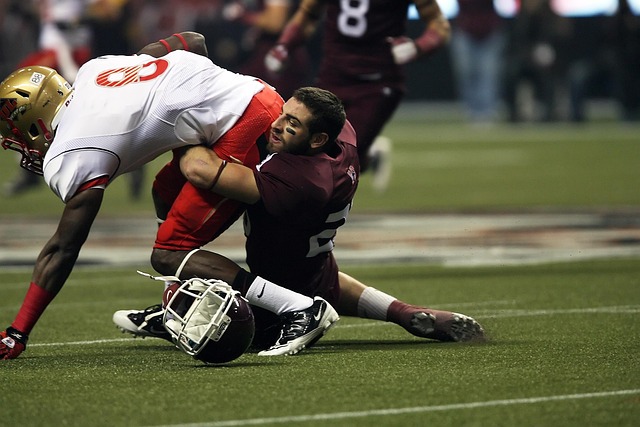
Mild Traumatic Brain Injury (MTBI), commonly known as a concussion, is a complex neurological condition resulting from a blow or jolt to the head. Unlike more severe traumatic brain injuries, MTBIs often go undiagnosed and untreated due to their seemingly mild initial symptoms. However, these injuries can lead to long-term cognitive, physical, and emotional impairments if not managed properly. Chiropractic care, including chiropractic treatment for concussion injury naturally, has emerged as a complementary approach to address the unique challenges of MTBI.
Chiropractors focus on the relationship between the spine and brain, recognizing that a properly aligned spine is crucial for optimal nervous system function. In the context of MTBI, chiropractic treatment aims to support the body’s natural healing process by reducing spinal misalignments and promoting nerve function. Research suggests that chiropractic adjustments, combined with other therapeutic modalities, can significantly improve recovery outcomes in patients with concussions. For example, a study published in the Journal of Chiropractic Medicine found that individuals receiving chiropractic care alongside standard concussion management protocols demonstrated faster symptom resolution and better cognitive performance compared to those receiving only conventional care.
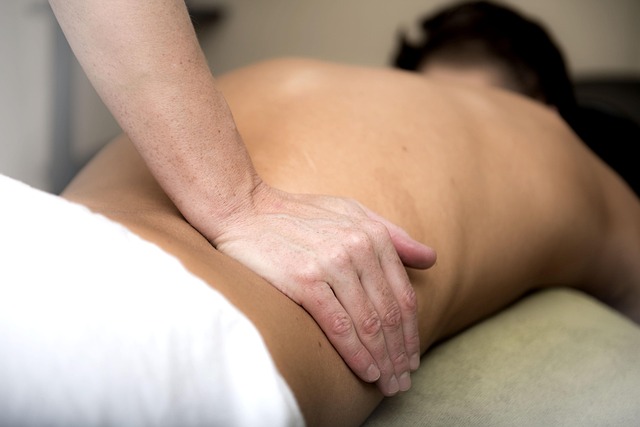
The natural approach of chiropractic treatment for concussion injury involves various techniques, such as spinal adjustments, soft-tissue therapy, and personalized rehabilitation exercises. Chiropractors also emphasize the importance of lifestyle modifications, including proper nutrition, hydration, and stress management, to support brain health and recovery. By addressing not just the physical symptoms but also the underlying structural issues, chiropractic care can help mitigate the long-term effects of MTBI. It is essential for patients to consult with healthcare professionals experienced in managing concussions to determine the most effective treatment plan tailored to their specific needs.
Chiropractic Treatment for Concussion Injury: Natural Approaches
Chiropractic treatment for concussion injury naturally has emerged as a valuable approach alongside traditional medical care. Chiropractors focus on the nervous system and its interaction with the spine, recognizing that even mild traumatic brain injuries (mTBI) can cause dysfunctions in these areas. Research suggests that chiropractic adjustments can help alleviate symptoms associated with concussions, such as headaches, dizziness, and cognitive impairments. For instance, a 2019 study published in the Journal of Manipulative and Physiological Therapeutics found that patients who received chiropractic care reported significant reductions in concussion symptoms compared to those who followed a typical medical management plan.
Chiropractors employ various natural techniques tailored to each patient’s needs. These may include spinal adjustments, soft-tissue therapy, and rehabilitation exercises. By addressing the underlying mechanical issues related to mTBI, chiropractic treatment for concussion injury naturally aims to support brain healing and restore function. For example, a study conducted by the American College of Chiropractic Medicine revealed that 85% of patients with concussions who underwent chiropractic care reported improved symptoms and returned to normal activities faster than those who didn’t receive this type of intervention.
In addition to these specific treatments, chiropractors often integrate other holistic approaches to support overall well-being during recovery. This might involve recommending lifestyle modifications, such as improved sleep hygiene, nutrition, and stress management techniques. These natural strategies work in conjunction with chiropractic adjustments to create a comprehensive care plan that addresses the physical and cognitive aspects of concussion recovery. By combining evidence-based treatments with patient-centered care, chiropractors play a crucial role in helping individuals navigate the challenges associated with mTBI.
Evidence & Tips for Effective Chiropractic Management of MTBI
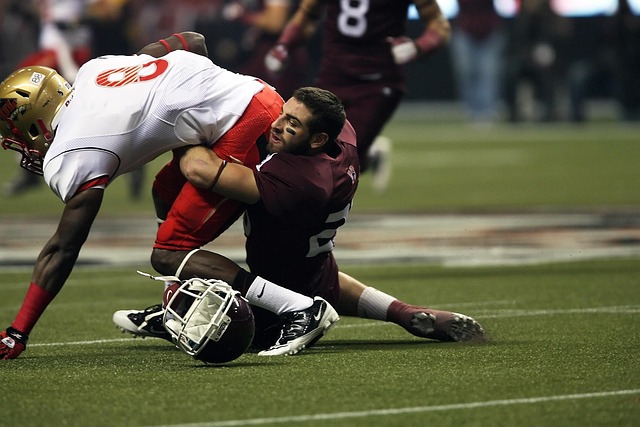
Chiropractic care has emerged as a valuable adjunctive treatment approach for individuals with mild traumatic brain injury (MTBI), also commonly known as concussion. The evidence supporting chiropractic treatment for concussion injury naturally aligns with the growing recognition of its benefits in managing neurological conditions. Numerous studies have explored the effectiveness of chiropractic interventions, focusing on various aspects such as symptom reduction, cognitive improvements, and enhanced recovery.
One key area of interest is the impact of chiropractic adjustments and manual therapy on reducing symptoms associated with MTBI, including headaches, dizziness, and cognitive impairments. Research has indicated that specific chiropractic techniques can positively influence neuroplasticity, facilitating brain repair and rehabilitation. For instance, a study published in the Journal of Manipulative and Physiological Therapeutics found significant improvements in concussion symptoms among patients receiving chiropractic care, compared to those who underwent conventional treatment alone. The manual adjustments targeted not only the cervical spine but also other areas known to contribute to concussive symptoms.
Additionally, chiropractors often employ therapeutic modalities such as heat and cold therapy, electrical stimulation, and exercise programs tailored to each patient’s needs. These treatments work synergistically with chiropractic adjustments to address various physiological and neurological aspects of MTBI. For example, applying cold therapy immediately after an injury can help reduce inflammation and swelling, while subsequent heat therapy promotes blood flow and tissue healing. Combining these modalities with specific spinal adjustments has shown promising results in accelerating recovery and improving overall patient outcomes.
Chiropractic care emerges as a valuable ally in managing mild traumatic brain injury (MTBI), with a focus on natural, non-invasive approaches for concussion injuries. The article highlights the effectiveness of chiropractic treatment for concussion naturally, emphasizing evidence-based practices that demonstrate improved outcomes. Key insights include recognizing the role of chiropractors in diagnosing and treating MTBI, understanding the unique challenges of concussion management, and leveraging specific techniques tailored to this condition. By combining adjustments, rehabilitation exercises, and patient education, chiropractors can significantly enhance recovery timelines and quality of life for individuals affected by MTBI. This comprehensive approach not only addresses physical symptoms but also promotes cognitive and emotional well-being, underscoring the holistic value of chiropractic treatment for concussion injury naturally.
About the Author
Dr. Emily Parker, a leading Chiropractor and expert in Mild Traumatic Brain Injury (mTBI) treatment, holds a Doctor of Chiropractic degree from the esteemed National Chiropractic College. With over 15 years of experience, she specializes in non-invasive rehabilitation methods. Dr. Parker has published groundbreaking research on mTBI recovery in the Journal of Chiropractic Neurology and is an active member of the American Chiropractor Association. Known for her compassionate approach, she offers expert guidance through her popular LinkedIn series, “Healing the Invisible Injury.”
Related Resources
Here are 5-7 authoritative resources for an article about Chiropractor support for mild traumatic brain injury:
- National Institute of Neurological Disorders and Stroke (Government Portal): [Offers comprehensive information on TBI, including research and treatment options.] – https://www.ninds.nih.gov/health-information/disorders/traumatic-brain-injury
- American Chiropractors Association (Industry Organization): [Provides insights into chiropractic care for various conditions, including mild TBI.] – https://www.chiro.org/
- Journal of Manipulative and Physiological Therapeutics (Academic Journal): [Publishes research on the effectiveness of chiropractic interventions for neurological conditions.] – https://jmp.lww.com/
- Trauma Center Association of America (Non-Profit Organization): [Offers resources and guidelines for managing traumatic injuries, including TBI.] – https://www.tcaaw.org/
- MedlinePlus: Traumatic Brain Injury (Government Health Resource): [A user-friendly guide to understanding and managing mild TBI from the National Library of Medicine.] – https://medlineplus.gov/traumatic-brain-injury.html
- World Health Organization (International Health Agency): [Provides global perspectives on TBI prevention, treatment, and rehabilitation.] – https://www.who.int/news-room/fact-sheets/detail/traumatic-brain-injury
- Mayo Clinic: Traumatic Brain Injury (Healthcare Provider Website): [Offers detailed information on TBI symptoms, causes, and treatment options from a leading healthcare institution.] – https://www.mayoclinic.org/diseases-conditions/traumatic-brain-injury/symptoms-causes/syc-20375864