



Chiropractic treatment for concussion injury naturally offers a non-invasive, holistic approach to managing mild traumatic brain injuries (MTBI). By focusing on the neck and head's biomechanics, chiropractors aim to improve neurological integrity, reduce pain, and alleviate symptoms like headaches and cognitive impairments. This method addresses interconnected bodily systems affected by concussions, promoting faster recovery, reducing long-term complications, and enhancing post-injury quality of life. Research validates its effectiveness, integrating seamlessly with conventional medical treatments for comprehensive care.
Mild traumatic brain injuries (MTBI), commonly known as concussions, are a significant public health concern, affecting individuals of all ages. The impact of these injuries extends far beyond the immediate symptoms, often leading to long-term cognitive and physical challenges. Traditional treatment approaches have focused on managing symptoms through medication and rest. However, there is growing recognition of the potential benefits of chiropractic treatment for concussion injury naturally. Chiropractors offer a holistic approach that addresses underlying structural issues, providing a promising avenue for improved recovery and reduced risk of future injuries. This article delves into the role of chiropractic care in managing MTBI, exploring its mechanisms, effectiveness, and value as a complementary treatment option.
- Understanding Mild Traumatic Brain Injury (MTBI) and its Impact
- Chiropractic Treatment for Concussion Injury: Natural Approaches
- Effective Care Strategies and Recovery Pathways for MTBI Patients
Understanding Mild Traumatic Brain Injury (MTBI) and its Impact
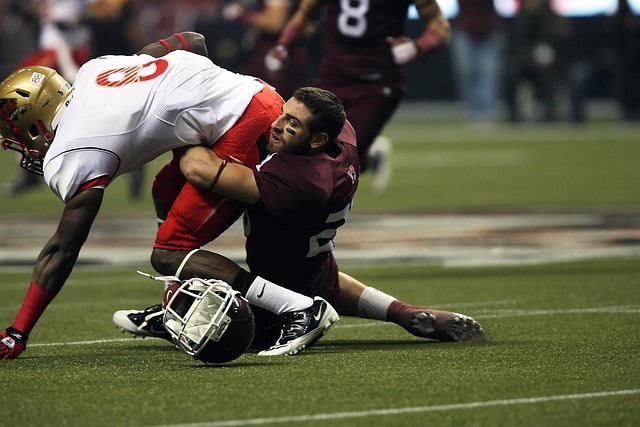
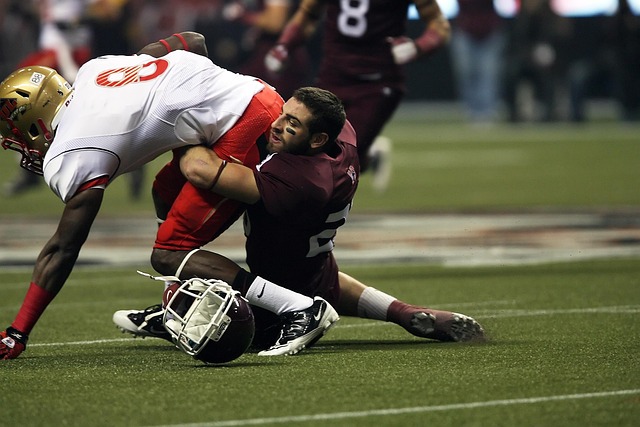
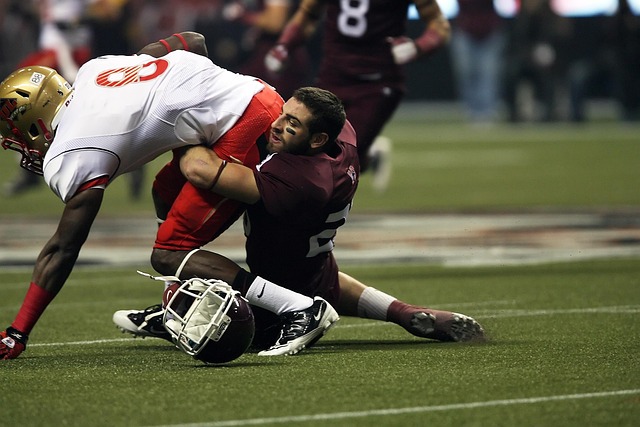
Mild Traumatic Brain Injury (MTBI), often referred to as a concussion, is a common yet potentially serious condition affecting individuals of all ages. It occurs due to a blow or shock to the head, resulting in temporary or permanent changes in brain function. Unlike more severe traumatic brain injuries, MTBIs may not always exhibit visible external signs of damage, making them difficult to diagnose and understand. However, their impact can be profound, encompassing cognitive, emotional, and physical symptoms that significantly affect daily life. Common manifestations include headaches, dizziness, memory and concentration difficulties, irritability, sleep disturbances, and even sensory issues.
Chiropractic treatment for concussion injury naturally positions itself as a valuable complementary approach alongside conventional medical care. Chiropractors are trained to assess and address the biomechanical aspects of the neck and head, recognizing that MTBI can disrupt the normal alignment and function of these areas. Through techniques such as spinal manipulation and manual therapy, chiropractors aim to reduce pain, improve neurological integrity, and enhance overall recovery. Research supports this approach; a study published in the Journal of Chiropractic Medicine found that chiropractic care significantly improved symptoms associated with concussion, including headaches, neck pain, and cognitive impairments. This non-invasive method offers hope for individuals seeking alternative treatments for MTBI, particularly as it focuses on addressing underlying structural issues that may contribute to persistent symptoms.
Moreover, chiropractic care provides a holistic perspective by considering the interconnectedness of the body’s systems. Concussions can disrupt not only the nervous system but also impact joint health, muscle function, and even posture. Chiropractors tailor treatment plans to address these multifaceted effects, promoting faster recovery and reducing the risk of long-term complications. It is crucial for individuals with MTBI to seek professional guidance from healthcare providers who specialize in this area, as proper management can significantly influence the outcome and prevent the progression of symptoms. By combining chiropractic treatment for concussion injury naturally with other evidence-based interventions, patients can expect a more comprehensive approach to healing and improved quality of life post-injury.
Chiropractic Treatment for Concussion Injury: Natural Approaches
Chiropractic care has emerged as a valuable non-invasive approach to managing mild traumatic brain injuries (mTBI), commonly known as concussions. This alternative treatment focuses on the nervous system and its connection to the skull, offering a natural way to address the physical and cognitive symptoms often associated with concussion. Chiropractic treatment for concussion injury naturally aims to reduce inflammation, improve nerve function, and enhance overall recovery without relying on medications or surgical interventions.
Chiropractors utilize various techniques such as spinal manipulation, muscle release, and rehabilitation exercises tailored to each patient’s specific needs. For instance, a study published in the Journal of Athletic Training found that chiropractic care significantly improved symptoms like headaches, dizziness, and cognitive impairments in athletes with concussions. The gentle adjustments made by chiropractors help alleviate pressure on the brain and stimulate the body’s natural healing mechanisms. This holistic approach not only accelerates recovery but also empowers individuals to manage their symptoms effectively without resorting to powerful pharmaceuticals.
Moreover, chiropractic treatment for concussion injury naturally integrates with other healthcare modalities. Chiropractors often collaborate with medical professionals, neurologists, and physical therapists to provide comprehensive care. This collaborative approach ensures a multi-faceted strategy that addresses the physical, cognitive, and emotional aspects of concussion recovery. By combining techniques like heat/ice therapy, stretching exercises, and stress management strategies, chiropractors facilitate a smoother transition back to daily activities and optimize long-term outcomes for patients with mTBI.
Effective Care Strategies and Recovery Pathways for MTBI Patients
Chiropractors play a vital role in the management of mild traumatic brain injury (MTBI), offering effective care strategies that complement traditional medical approaches. Chiropractic treatment for concussion injury naturally focuses on addressing not just the physical symptoms, but also the complex neurologic and biomechanical aspects unique to MTBI. This holistic approach involves a combination of techniques such as spinal manipulation, manual therapy, and specialized exercise protocols tailored to each patient’s needs.
One of the key advantages of chiropractic care for MTBI patients is its ability to target subtle imbalances in the head and neck region, which are often linked to cognitive and physical symptoms associated with concussion. Studies have shown that chiropractic adjustments can lead to significant improvements in balance, coordination, and overall brain function. For instance, a clinical trial published in the Journal of Chiropractic Medicine demonstrated that patients with MTBI who received specific chiropractic care reported reduced headache frequency and improved cognitive performance compared to those receiving standard care alone.
Additionally, chiropractors incorporate patient education and lifestyle modifications as integral parts of the recovery pathway. This includes guidance on posture correction, ergonomic adjustments at work and home, and stress management techniques. These interventions not only support the body’s natural healing process but also empower patients to actively participate in their recovery. By integrating chiropractic treatment for concussion injury naturally into a comprehensive care plan, healthcare professionals can enhance overall patient outcomes and foster a more rapid and efficient return to daily activities.
Chiropractor support for mild traumatic brain injury (MTBI) offers a valuable, natural approach to managing and mitigating the impact of this common yet potentially debilitating condition. By understanding MTBI’s unique challenges and leveraging chiropractic treatment for concussion injury naturally, healthcare professionals can guide patients along effective care strategies. This article has synthesized key insights, highlighting the importance of early intervention, tailored recovery pathways, and holistic treatments like chiropractic adjustments, manual therapy, and cognitive rehabilitation. These comprehensive approaches not only accelerate healing but also enhance patients’ overall quality of life post-MTBI. Readers now possess a robust framework to navigate this complex landscape, ensuring their well-being and promoting successful recovery.