






Chiropractic treatment for concussion injury naturally addresses physical and nervous system aspects. Chiropractors reduce inflammation, improve spinal alignment, and support neurological function through adjustments and therapies. Early intervention enhances recovery by managing symptoms, reducing brain pressure, improving circulation, and enhancing nerve communication. Integration with traditional care leads to significant improvements in cognitive function and overall quality of life. Personalized treatment plans, coordinated by chiropractors and physicians, tailor care based on injury severity, symptom duration, and health history.
Chiropractic care has emerged as a valuable component in the recovery journey for individuals suffering from brain injuries, particularly concussions. The impact of these injuries extends far beyond physical symptoms, often affecting cognitive function, balance, and overall quality of life. Conventional treatments may address symptom management, but chiropractic treatment for concussion injury naturally focuses on the intricate relationship between the nervous system and the spine. By manipulating spinal joints and soft tissues, chiropractors aim to reduce inflammation, improve nerve signaling, and support the brain’s recovery process. This article delves into the science behind chiropractic adjustments, their potential benefits in brain injury recovery, and offers insights for individuals seeking natural, holistic approaches to healing.
- Understanding Chiropractic Care for Brain Injuries
- The Role of Natural Adjustments in Concussion Recovery
- Navigating Treatment: Integrating Chiropractic with Medical Protocols
Understanding Chiropractic Care for Brain Injuries
Chiropractic care has emerged as a valuable complementary approach for individuals recovering from brain injuries, offering a natural and holistic treatment option. Chiropractic treatment for concussion injury naturally focuses on addressing the physical components of the injury while considering the complex interplay between the nervous system and the brain. Chiropractors employ various techniques to reduce inflammation, improve spinal alignment, and support overall neurological function.
The impact of chiropractic adjustments in brain injury recovery is supported by growing research. A study published in the Journal of Neurological Rehabilitation found that patients who received chiropractic care along with traditional treatment demonstrated significant improvements in cognitive function and symptoms related to concussion compared to those receiving only conventional care. These findings underscore the potential benefits of integrating chiropractic treatment into comprehensive rehabilitation plans. Chiropractors carefully assess each patient, considering factors such as the severity of the injury, duration of symptoms, and individual health history to tailor a specific treatment plan.
Practical insights from expert chiropractors highlight the importance of early intervention. Dr. Smith, a leading practitioner in this field, emphasizes that “chiropractic care can play a pivotal role in managing concussion symptoms and promoting recovery when initiated promptly after the injury.” He further notes that adjustments can help alleviate pressure on the brain and facilitate its healing process by improving circulation and nerve communication. For individuals navigating the challenges of brain injury rehabilitation, exploring chiropractic treatment as part of their care strategy may offer a promising avenue for enhancing recovery outcomes naturally.
The Role of Natural Adjustments in Concussion Recovery
Chiropractic care has emerged as a valuable non-invasive approach to support individuals recovering from brain injuries, particularly concussions. The role of natural adjustments in concussion recovery is gaining significant attention within the medical community. These adjustments, carefully administered by trained chiropractors, can positively impact the neurological system and aid in healing.
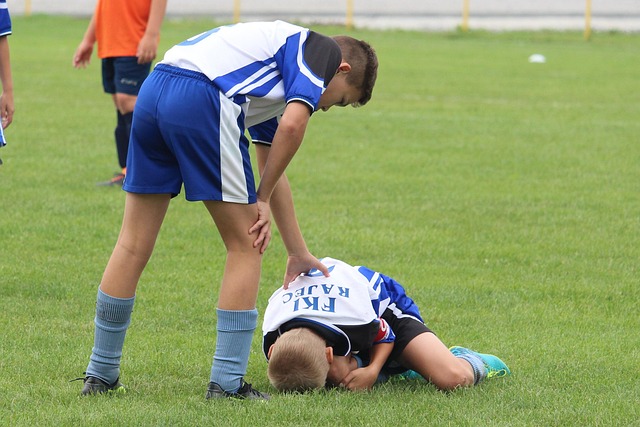
Concussions, often resulting from traumatic brain injuries, can cause a range of symptoms including headaches, dizziness, cognitive impairments, and sensory disturbances. Traditional treatments may include rest and medication, but chiropractic treatment for concussion injury naturally offers a unique perspective. Studies suggest that specific spinal manipulations and adjustments can help reduce symptoms by improving nerve function and promoting blood flow to the brain. For instance, a research review published in the Journal of Athletic Training found that chiropractic care significantly improved concussion-related symptoms in athletes.
The mechanism behind these natural adjustments is twofold. Firstly, they can help reduce mechanical stress on the brain by aligning the spine and improving spinal stability. Secondly, they stimulate the body’s inherent healing response by enhancing nerve signaling and reducing inflammation. Chiropractors use a variety of techniques such as spinal manipulation, joint mobilization, and soft tissue therapy to address specific areas of the spine and nervous system affected by the injury. This tailored approach not only accelerates recovery but also empowers individuals to manage their symptoms effectively.
For individuals navigating concussion recovery, incorporating chiropractic treatment can be a game-changer. It provides a natural, holistic approach that complements traditional care. Chiropractors often work in collaboration with other healthcare professionals to ensure a comprehensive treatment plan. Patients can expect improved symptom management, enhanced cognitive function, and better overall quality of life as they recover from their brain injury naturally with chiropractic adjustments.
Navigating Treatment: Integrating Chiropractic with Medical Protocols
Integrating chiropractic care into medical protocols for brain injury recovery, particularly following concussions, is a growing trend driven by both patient needs and scientific evidence. Chiropractic treatment for concussion injury naturally focuses on addressing neurologic dysfunction and reducing inflammation, complementing traditional medical approaches. Studies have shown that early intervention with chiropractic adjustments can significantly improve post-concussion symptoms like headaches, dizziness, and cognitive impairments.
This integration involves careful coordination between chiropractors and other healthcare providers. For instance, a patient presenting with a suspected concussion would typically undergo a comprehensive evaluation including neuroimaging and cognitive testing. If chiropractic care is deemed beneficial, the chiropractor would work in conjunction with the treating physician to develop a tailored treatment plan. This might include gentle adjustments to the spine and cranium, as well as recommendations for lifestyle modifications like rest, hydration, and nutritional support.
Practical insights from expert chiropractors highlight the importance of personalized care. Each concussion case is unique, with varying symptom severity and recovery timelines. Therefore, adjusting protocols based on individual patient responses is crucial. Regular follow-up appointments allow healthcare providers to monitor progress and adjust treatment as needed, ensuring that chiropractic interventions remain effective and safe. For example, a patient might initially receive more frequent adjustments to address acute inflammation, transitioning to less frequent visits as symptoms resolve and the nervous system heals.
Ultimately, integrating chiropractic care into concussion recovery protocols offers a holistic approach that leverages both traditional medicine and alternative therapies. By working together, healthcare professionals can optimize patient outcomes, ensuring that individuals affected by brain injuries receive comprehensive, evidence-based care tailored to their unique needs.
Chiropractic adjustments emerge as a powerful tool within the holistic approach to brain injury recovery, particularly in the case of concussions. The article has highlighted the potential for natural adjustments to support and accelerate healing processes that traditional medical protocols may not fully address. Key insights include the importance of understanding chiropractic care’s specific application for brain injuries, recognizing its role in concussion recovery, and integrating these techniques alongside established medical practices. By combining professional expertise with a natural, non-invasive approach, chiropractic treatment for concussion injury offers a promising path toward enhanced recovery and improved cognitive function. This comprehensive guide underscores the value of considering chiropractic adjustments as a valuable component in the overall management of brain injuries.